
The Ultimate Guide to Caring for Your Handmade Bags
Handmade bags are not just accessories; they are expressions of artistry, individuality, and craftsmanship. Each piece tells…
Handmade bags are not just accessories; they are expressions of artistry, individuality, and craftsmanship. Each piece tells a story, often reflecting the unique skills of the artisan who created it. However, to maintain the beauty and functionality of these bags, proper care is essential. This guide will provide you with practical steps to ensure your handmade bags remain in pristine condition for years to come.
**Understanding Your Handmade Bag**
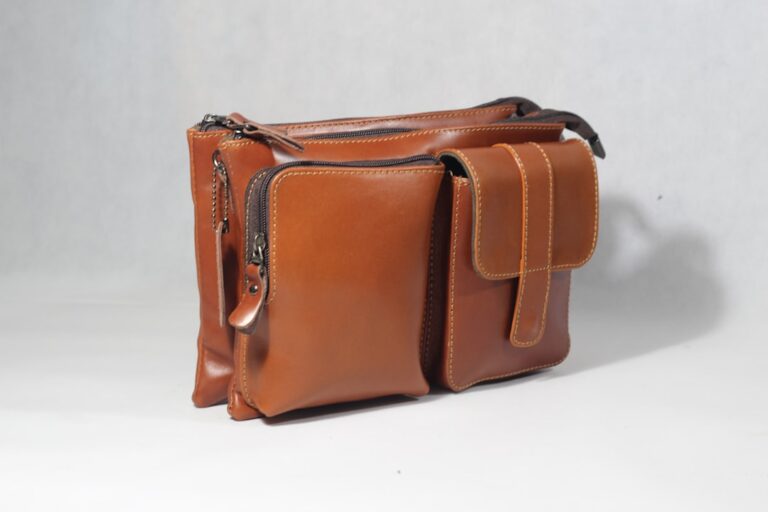
Before diving into care techniques, it’s crucial to understand the materials used in your handmade bag. Common materials include leather, canvas, cotton, and various synthetic fabrics. Each material has its own set of care requirements. For instance, leather bags may need conditioning to prevent cracking, while canvas bags can often be machine washed. Knowing the specifics will help you tailor your care routine effectively.
**Step-by-Step Care Techniques**
1. **Regular Cleaning**: Dust and dirt can accumulate on your bag over time. Use a soft, dry cloth to wipe down the exterior regularly. For deeper cleaning, refer to the care instructions specific to the material. For example, a damp cloth may suffice for canvas, while leather may require specialized cleaners.
2. **Conditioning**: If your bag is made of leather, conditioning is vital. Use a leather conditioner every few months to keep the material supple and prevent it from drying out. Apply a small amount of conditioner to a soft cloth and gently rub it into the leather, following the grain.
3. **Storage**: How you store your handmade bag can significantly impact its longevity. Always store your bag in a cool, dry place away from direct sunlight to prevent fading and warping. Use dust bags or pillowcases to protect it from dust and scratches. If your bag has a structured shape, consider stuffing it with tissue paper to help maintain its form.
4. **Avoid Overloading**: Handmade bags are often designed with specific weight limits in mind. Overloading your bag can lead to stretching, tearing, and other forms of damage. Be mindful of what you carry and avoid putting excessive weight on your bag.
**Special Considerations**
Different materials may require additional care. For example, if your bag features embellishments like beads or sequins, be cautious when cleaning to avoid damaging these details. Similarly, if your bag is made from delicate fabrics, consider spot cleaning instead of full washes.
**Repairing Minor Damage**
Despite your best efforts, accidents can happen. If you notice minor damage, such as a loose thread or a small tear, address it promptly. For loose threads, carefully trim any excess and knot the remaining thread to prevent further unraveling. For small tears, fabric glue can be a quick fix, but for more significant damage, consider consulting a professional.
**Step-by-Step Plan:**
Step 1: Identify the material of your handmade bag to determine specific care needs.
Step 2: Clean your bag regularly with appropriate methods for its material.
Step 3: Store your bag properly to maintain its shape and prevent damage.
Step 4: Address any minor repairs immediately to prolong the life of your bag.
**Conclusion**
Caring for your handmade bags is an investment in their longevity and beauty. By understanding the materials, implementing a regular cleaning routine, and storing them properly, you can ensure that your bags remain as stunning as the day you bought them. Remember, each bag is a piece of art, and with the right care, it can continue to tell its story for many years to come.